
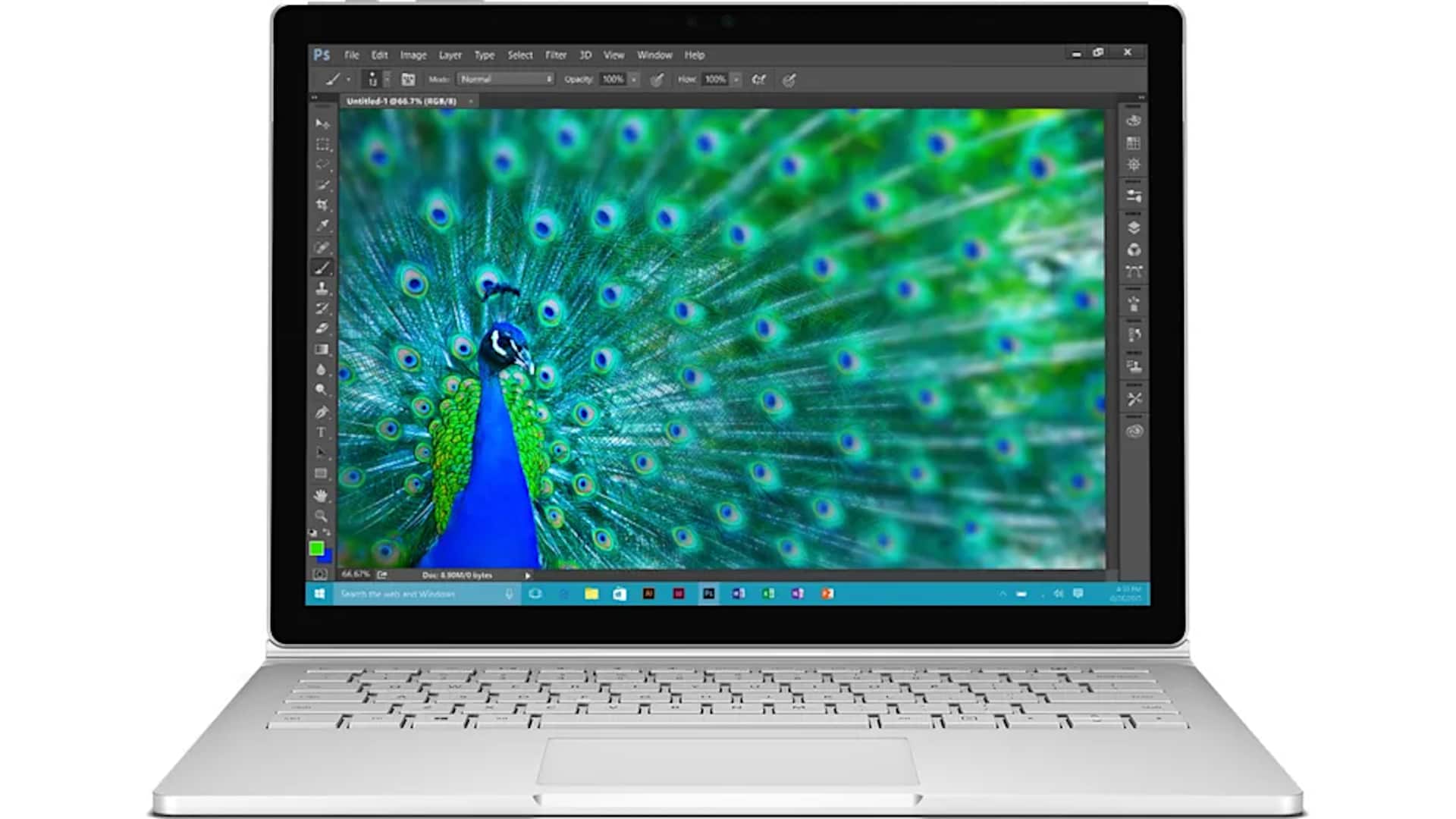
This is Microsoft’s latest two-part invention. It’s the Microsoft Surface book looks like a 13-inch laptop. It is a 13-inch laptop, but it’s got a real neat trick. You press a little button on the keyboard, and it separates and becomes a tablet or a clipboard, as Microsoft likes to call it.
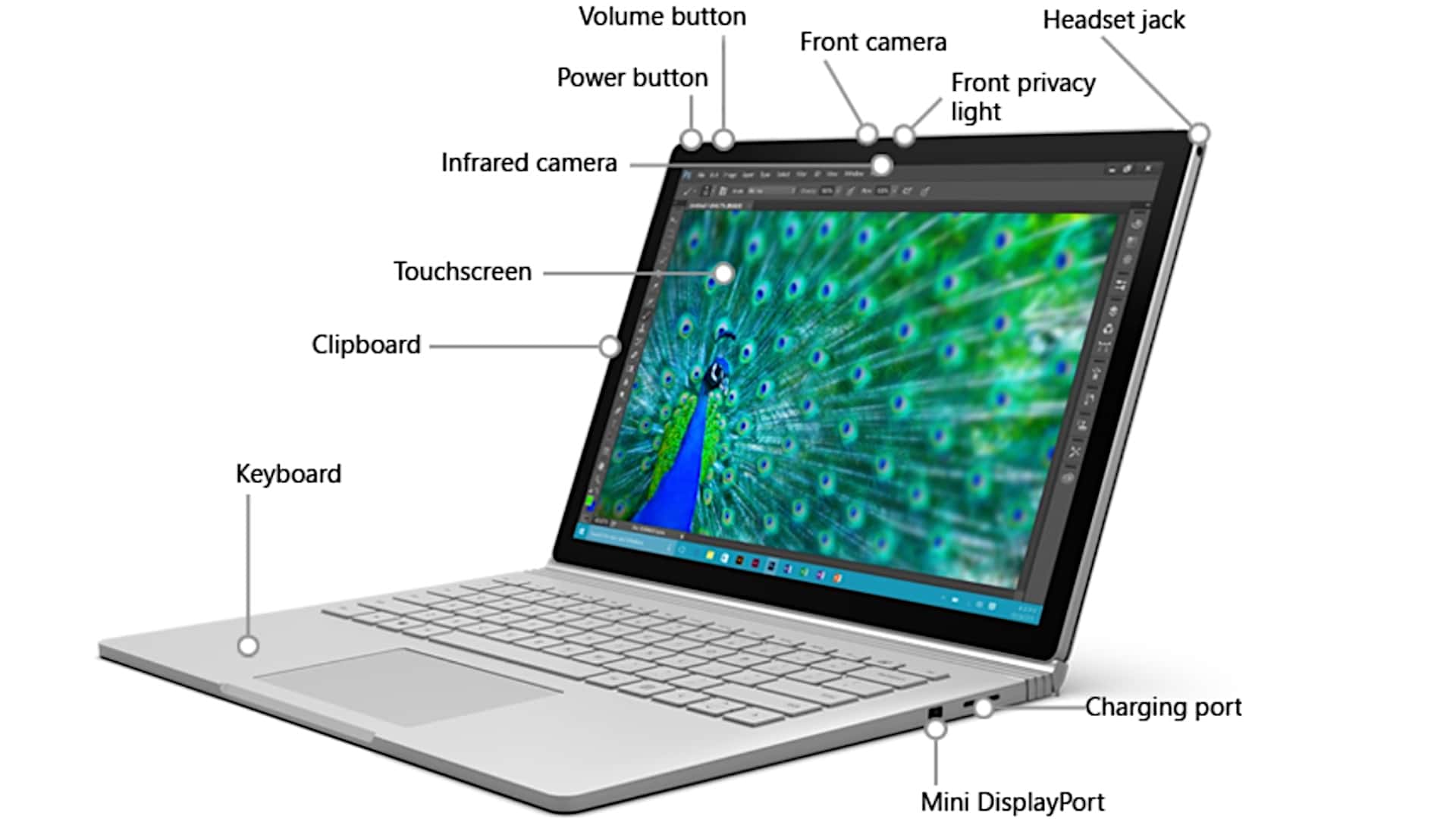
You have a 13.5-inch display. Slightly odd size instead of 13.3 inches. And that is the brains. Just like a Surface Pro in many ways. Everything is in here except for the optional dedicated GPU. If you do get that, that is in the keyboard.
And that introduces a few wrinkles and a few bugs that we’re going to talk about. But Microsoft has said a lot about how this is the most powerful 13-inch laptop ever, and it’s twice as fast as a MacBook Pro with Retina display. They didn’t specify the size will assume 13-inch.
Not quite the case in some ways. It is a case we’ll talk about that too. Anyway, very well equipped here, running on Ultrabook ulv six generation Intel Skylake CPU. So that’s a 15-watt CPU here. Not the quad-core higher power CPU that we saw in the BIOS you canvas we recently looked at.
But as ultrabooks go, it’s one of the sharper knives in the drawer; it’s also one of the most expensive. We’re going to look at it now. So this is it: finally, Microsoft Surface Bucket nice your patience. A lot of things to test here. And you know I like to be pretty thorough with this; this won’t be a short review, you can guess that already.
Anyway, this is Microsoft’s first laptop. Of course, they make the Surface Pro line of tablets which can be used as laptops, but they’re not primarily laptops. And Microsoft made a big deal in their presentation about how this was the fastest 13-inch laptop ever, and they were trash-talking Apple laptops.
Now, before you say Oh my god, reviewers just love Apple products; why do you always mentioned. It’s because Microsoft does. Every time they roll out a new product, which granted isn’t that often, they have to try to smack down on Apple products. So they invite that kind of comparison; sometimes I think it’s silly. Like when they compared the MacBook Air to the Surface Pro.
I mean, how different could probably speak, actually. Anyway, we will talk about how this compares to the 13-inch Retina MacBook Pro occasionally and will show you what the difference is like. But honestly, this is its own kind of animal, and the same way that Surface Pro is its own sort of animal.
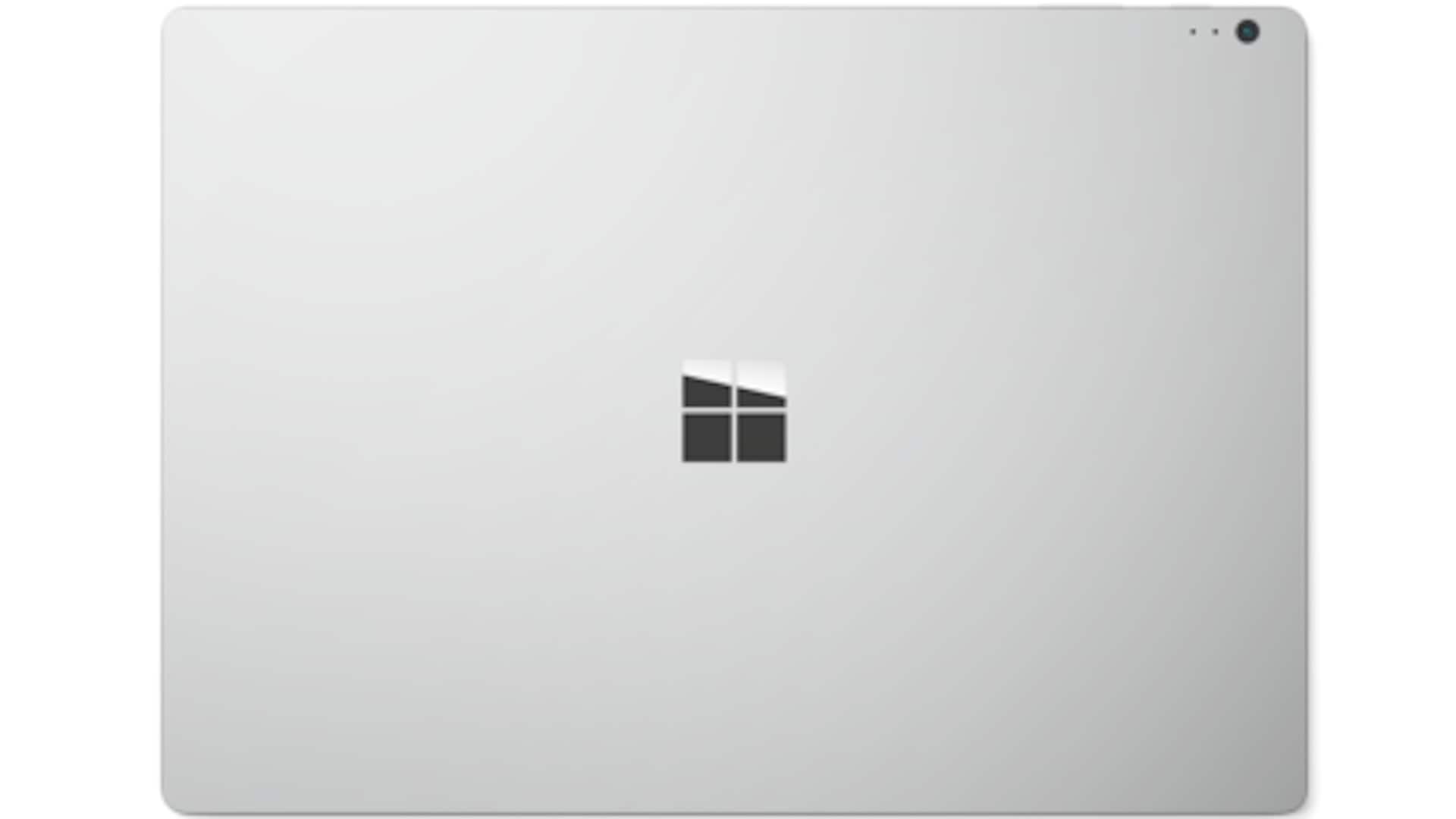
Because it’s not a laptop, it’s a laptop with an absolutely normal keyboard here. Sturdy magnesium casing, nice build quality. 13.5-inch display versus the usual 13.3-inch whatever. 3 by 2 aspect ratio that is a little bit different since most laptops are sixteen by nine widescreen. Is what Microsoft likes, and I like you pretty well too. You get more height here when you’re reading documents, you’re reading web pages.
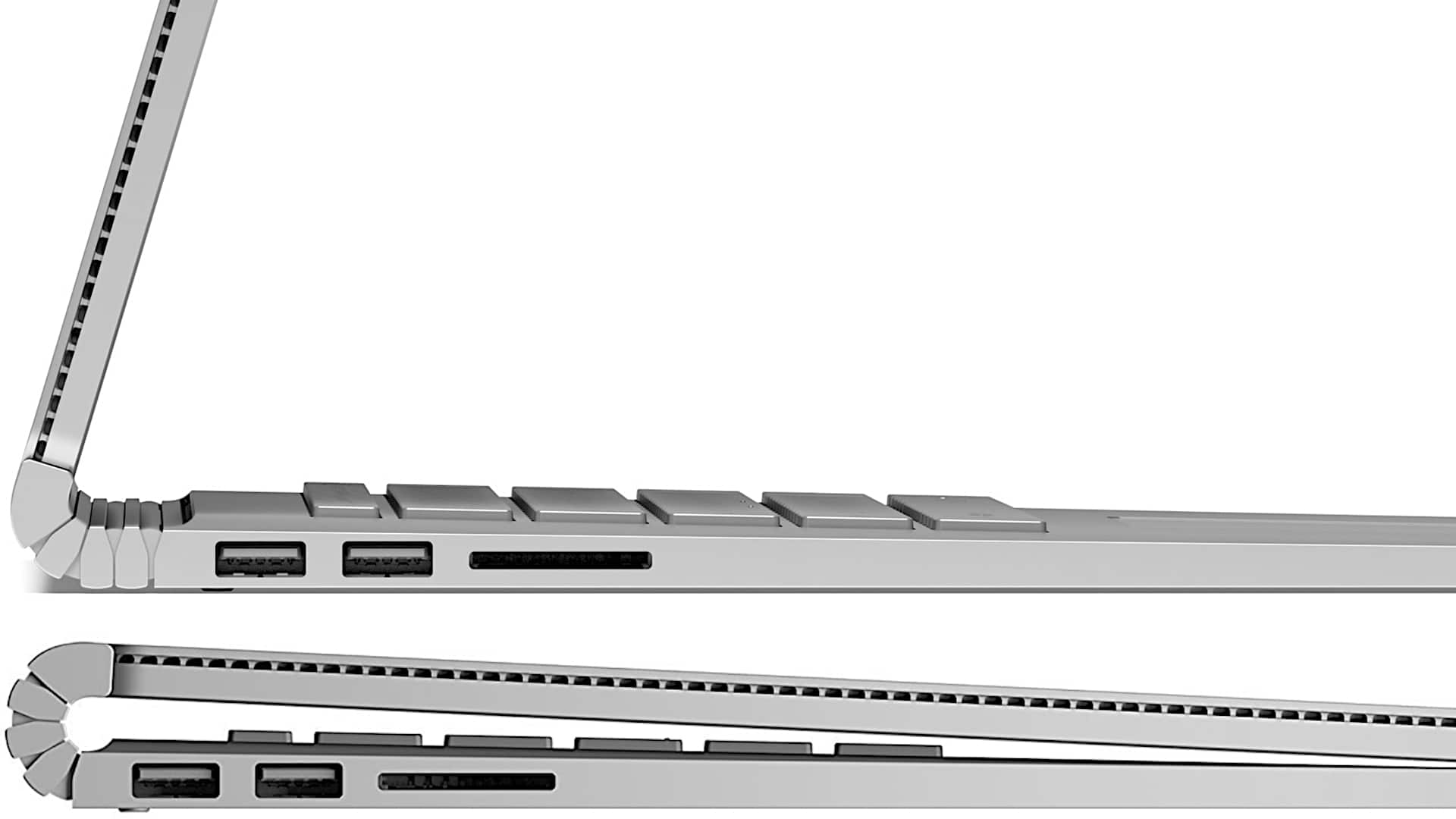
It’s the same aspect ratio many of us shoot with digital cameras, but that kind of makes sense there. If you turn it around, side view right here, it still looks like a normal laptop except for the fulcrum hinge. Which is a pretty weird kind of thing right here.
You just see how that works; it actually expands and contracts a little bit. It’s kind of almost creepy looking, and it reminds me of a lobster tail sort of. Anyway, the idea with that hinge is not just to be weird and different, though it does help because for marketing purposes, if this really stands out visually and everybody says, Oh, you got a Surface Book.
It’s a win for Microsoft, but it’s supposed to balance the top and the bottom. The top and the bottom of each part weigh about the same. With normal laptops, most brains are in the bottom section. So all the weight here helps keep it from being top-heavy.
So the idea is the fulcrum hinge can help with that. Now it doesn’t go that far back. It’s not too far back. Now the confusing thing is if the machine is sleeping or off, it doesn’t go that far back. So if you play with one you try one out in the store, and the screen is sleeping, it will only go back about this far.
In fact, we’ll shut it off so we can see that the power button is right up top right there. Wake it up again, and you get full range of motion. And by the way, we have Windows Hello enabled here. So it just looked at my face and unlocked itself, which is pretty neat.
It uses the front 5-megapixel camera to do that. This hinge also is a fairly complex thing, and it certainly adds to the cost of this relatively very expensive ultra. It starts at $1500 goes all the way up to $3,000. To $1500, that’s the base model: Core i5, no dedicated GPU; therefore, you.
First Impressions and Configuration Options
When Microsoft unveiled the Surface Book, it immediately set itself apart as the company’s first foray into the laptop space — and what an entrance it made. The device arrives in several configurations, starting at a base level with 8GB of RAM and a 120GB SSD. Stepping up from there, the $2,099 model delivers a Core i7 processor, 8GB of RAM, a 256GB SSD, and a custom NVIDIA dedicated GPU nestled inside the keyboard dock. A Core i5 variant with dedicated graphics is available at a somewhat lower price point, while those requiring 512GB of storage will need to budget around $2,600. A full terabyte of internal storage pushes the price north of $3,000.
It is worth noting that all configurations rely on Intel’s ultra-low voltage CPU lineup. These are 15-watt processors, not the quad-core chips found in machines like the Dell XPS 15, the 15-inch Retina MacBook Pro, or the VAIO Z Canvas.
The Ingenious Detachable Design
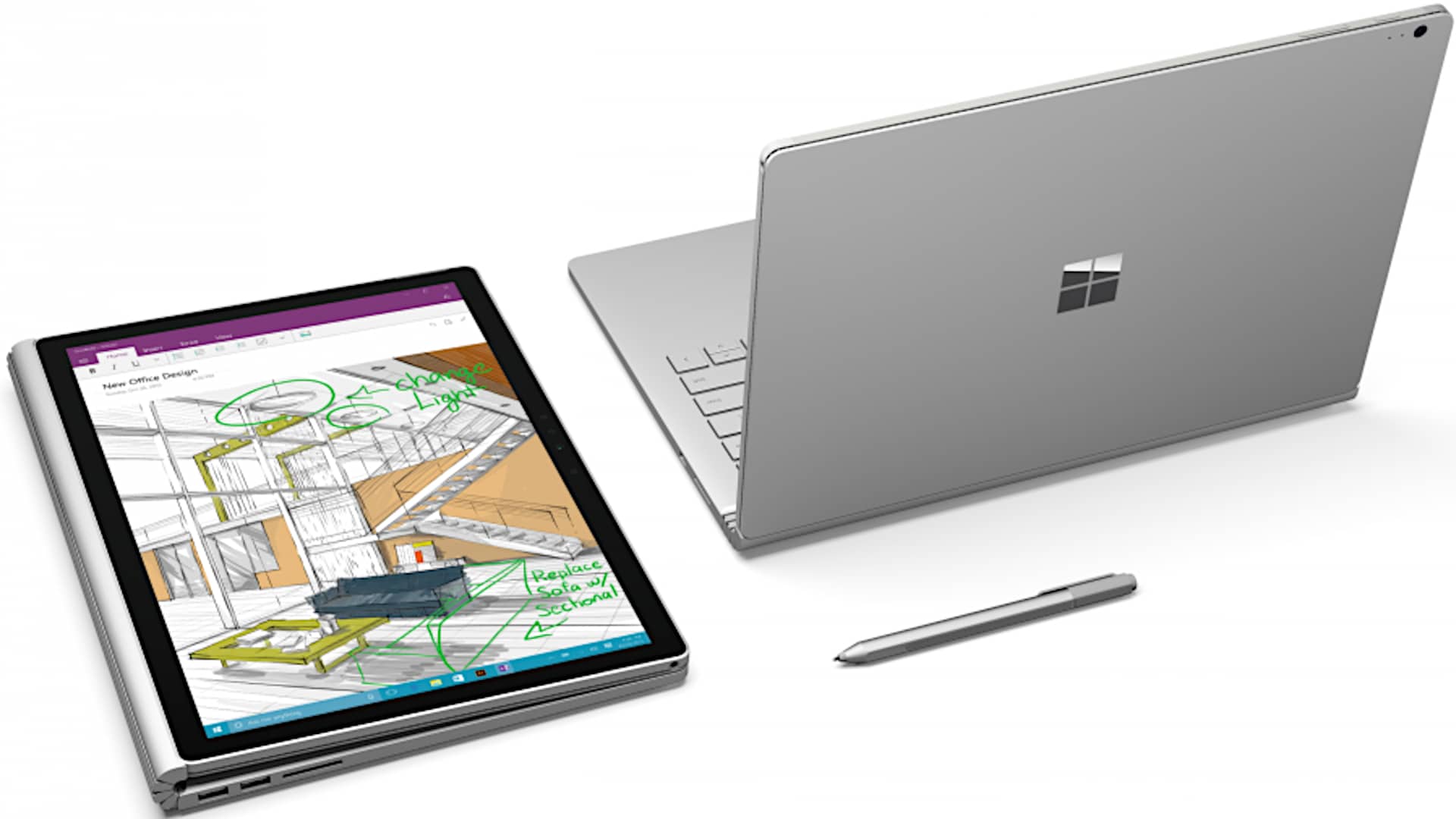
One of the most talked-about features of the Surface Book is its ability to function as a standalone tablet. Detaching the screen is achieved by pressing a button on the keyboard dock. A small LED indicator in the corner lights up green when detachment is permitted, which is not always an immediate green light. The reason for this safeguard is straightforward: if a graphics-intensive application such as Adobe Illustrator, Premiere Pro, or a game is actively using the dedicated GPU housed in the dock, yanking the screen away without warning could cause serious problems.
This is precisely why Microsoft engineered the remarkable and admittedly complex fulcrum hinge. The mechanism uses electromechanical muscle wires, and magnets are incorporated for alignment and to keep the hinge firm and stable. The result is a satisfying click and a confirmation that the device is ready to be separated.
Once detached, the screen functions as a fully capable tablet for roughly three hours. All of the computing hardware, including the CPU, RAM, and SSD, resides in the display section. The larger battery lives inside the keyboard base, and the same magnetic Pogo connector used on Surface Pro models allows the tablet portion to be charged independently. For artists who need an extended drawing session away from a desk, this arrangement works out remarkably well.
When used as a combined laptop and tablet unit, battery life is genuinely impressive. Microsoft’s claim of around twelve hours holds up in real-world use, making the Surface Book one of the more capable machines in its class for all-day productivity.
Build Quality and Connectivity
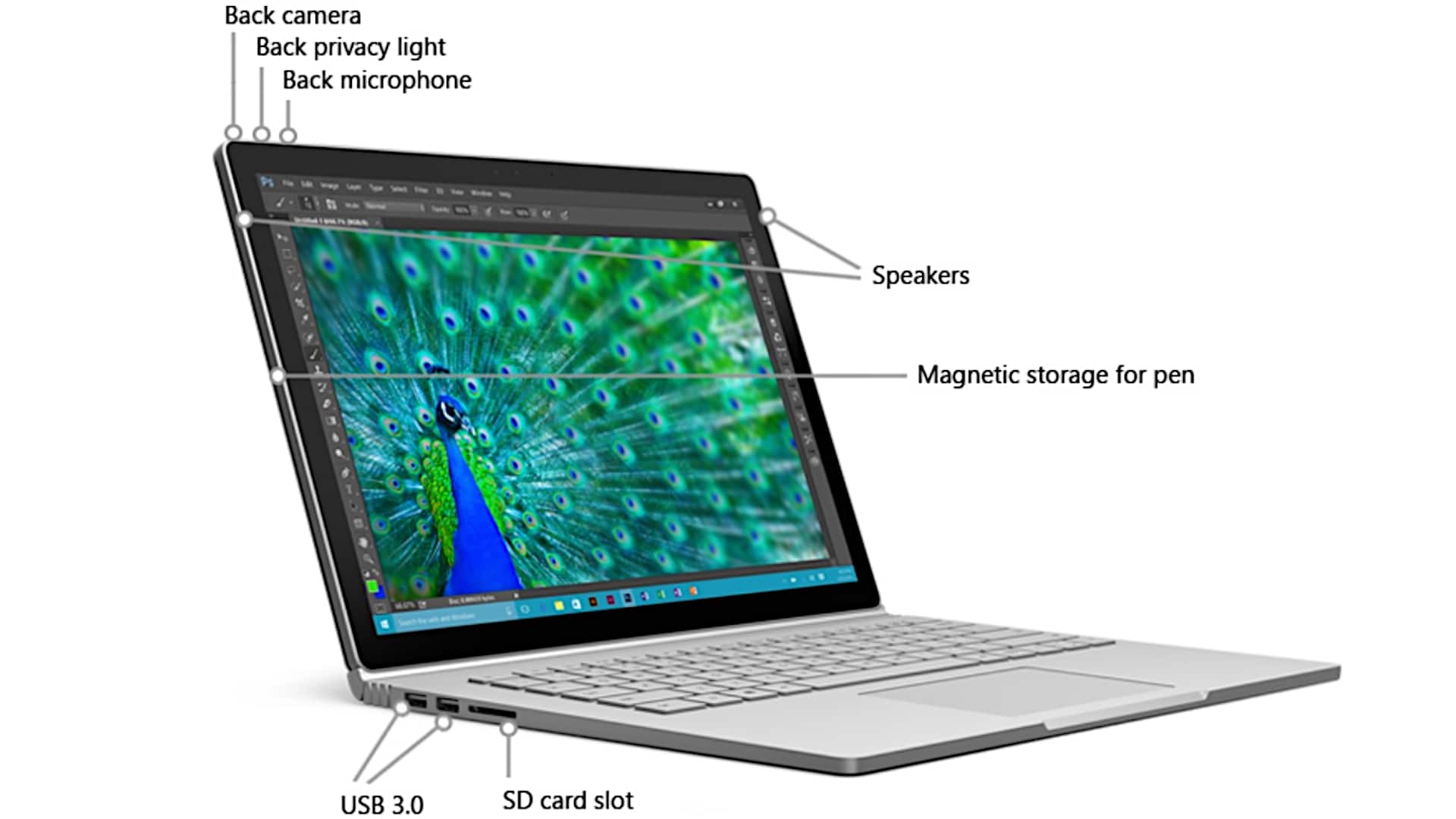
The tablet section tips the scales at just 1.6 pounds, comparable in heft to the original 10-inch iPad. It features ventilation holes along the sides, locator pins, a data connector for pairing with the keyboard dock, a headphone jack, volume controls, and a power button. The whole assembly is wrapped in a clean magnesium casing.
When functioning purely as a tablet, connectivity options are minimal. All of the useful ports are located on the keyboard dock itself: an SD card slot (the card protrudes about halfway), two USB 3.0 ports, and a Mini DisplayPort that supports 4K output at 60Hz. The charging connector rounds out the port selection. It is not an abundance of ports, but it gets the job done.
Keyboard, Trackpad, and Everyday Usability
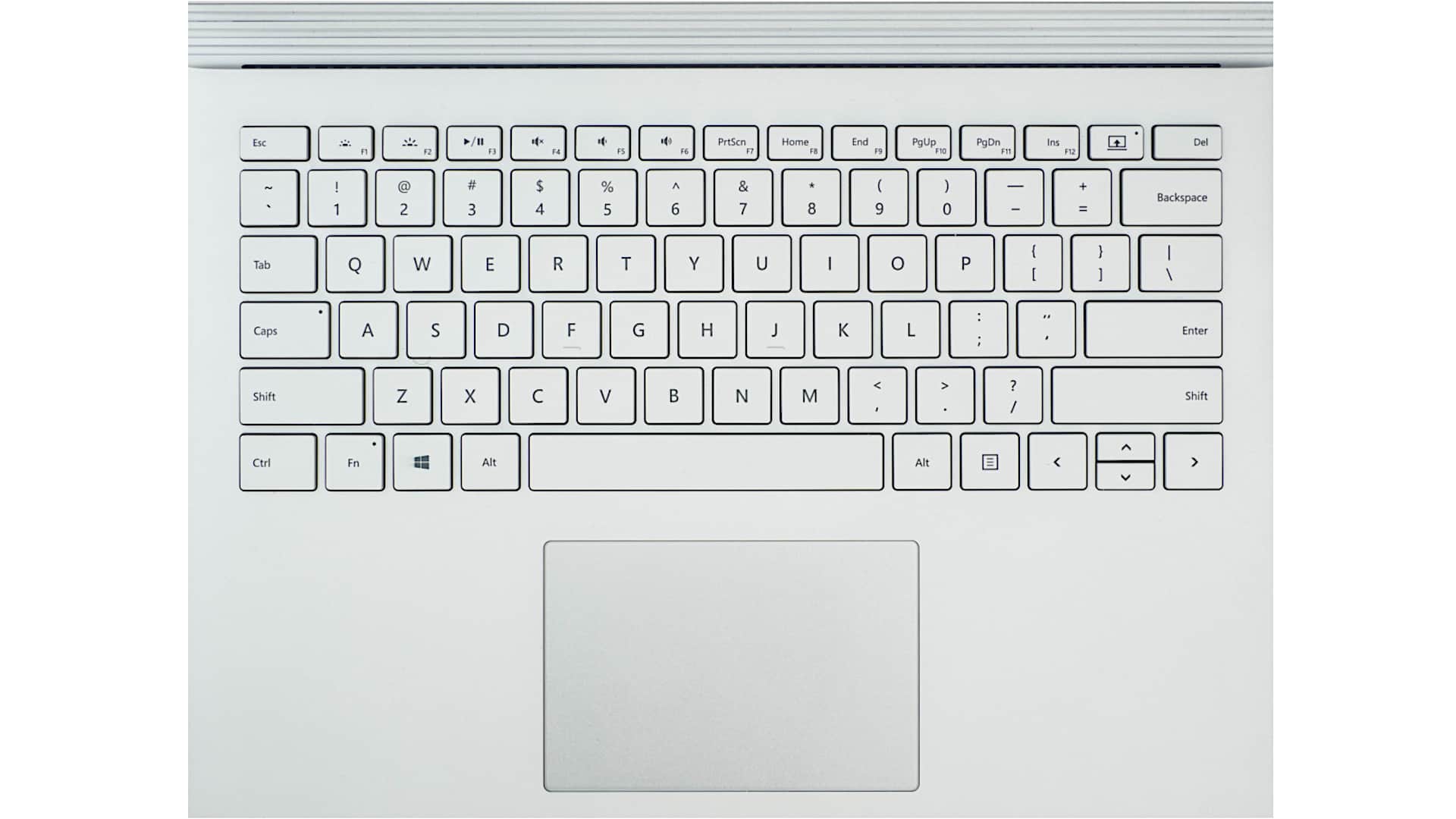
The keyboard offers 1.5mm of key travel, just a fraction short of what is typically considered a full-stroke keyboard experience. In practice, typing on it feels quite pleasant. Some users have complained about low contrast between the keys and their legends under the backlight, but this is a minor gripe compared to competing devices that handle the issue far worse.
The trackpad is a genuine standout. Alongside the Surface Pro 4 Type Cover, this is arguably the best trackpad available on any Windows laptop. It responds predictably, handles two-finger scrolling without interruption, and avoids the accidental input that plagues so many Windows trackpads. It earns a MacBook comparison without any embarrassment.
Opening the lid with one hand is not really possible. The hinge is stiff enough that the laptop tends to walk across a surface if you try, so two hands are needed.
Physical Comparisons with the Competition
Placing the Surface Book next to a 13-inch Retina MacBook Pro reveals a slightly larger footprint on Microsoft’s machine. The 13.5-inch screen, combined with a taller 3:2 aspect ratio rather than the Mac’s 16:10, accounts for the difference. Weight is virtually identical. The dedicated GPU model comes in at 3.48 pounds, matching the MacBook Pro almost exactly, while the non-GPU configuration weighs 3.34 pounds.
CPU and GPU Performance
In terms of raw CPU performance, the Surface Book and the 13-inch Retina MacBook Pro are remarkably close. The MacBook’s processor carries a slightly higher thermal allowance, which gives it a nominal edge, but Apple has not yet transitioned to Intel’s Skylake architecture at the time of writing. When that update arrives, the gap will likely narrow or reverse.
The dedicated GPU is where the Surface Book can genuinely differentiate itself. It is a custom NVIDIA solution with 384 CUDA cores, functionally comparable to the GeForce 940M. It carries 1GB of DDR2 memory rather than the 2GB of DDR3 found in competing laptops like the ThinkPad Yoga 14. It is not a powerhouse by any stretch, but it delivers a meaningful boost for GPU-accelerated software like Adobe Premiere and Illustrator. Demanding games at high settings are beyond its reach, but titles like Skyrim, BioShock Infinite, and Tomb Raider are playable at reasonable settings.
Benchmark results confirm this positioning. Geekbench 3 scores align closely with the 13-inch MacBook Pro. PCMark 8 Home Accelerated returned a score of 2,952. The Unigine Heaven test at 1920×1080 delivered 20.9 frames per second for a score of 527. 3DMark 11 Performance mode scored 2,447, and the Extreme test returned 878, roughly double what integrated Intel graphics can manage. For context, a full gaming laptop with a GTX 970M or 980M would score three to four times higher.
Display Quality
Microsoft’s PixelSense display earns high marks across the board. The 3000×2000 panel ships configured to 200% scaling, which keeps the interface comfortable to use at its native pixel density. Viewing angles are excellent, brightness reaches a strong 375 nits, and color calibration from the factory is precise, with a very low Delta E measurement. Color gamut coverage hits 99% of sRGB, which is well suited to web-oriented work. Those requiring Adobe RGB coverage for print or cinema production will want to look elsewhere, as the Surface Book falls short of the VAIO Z Canvas in that regard.
The display is optically bonded to the glass, which in theory reduces reflections. In practice, glare is still noticeable under bright lighting conditions.
Pen Input and Drawing Experience
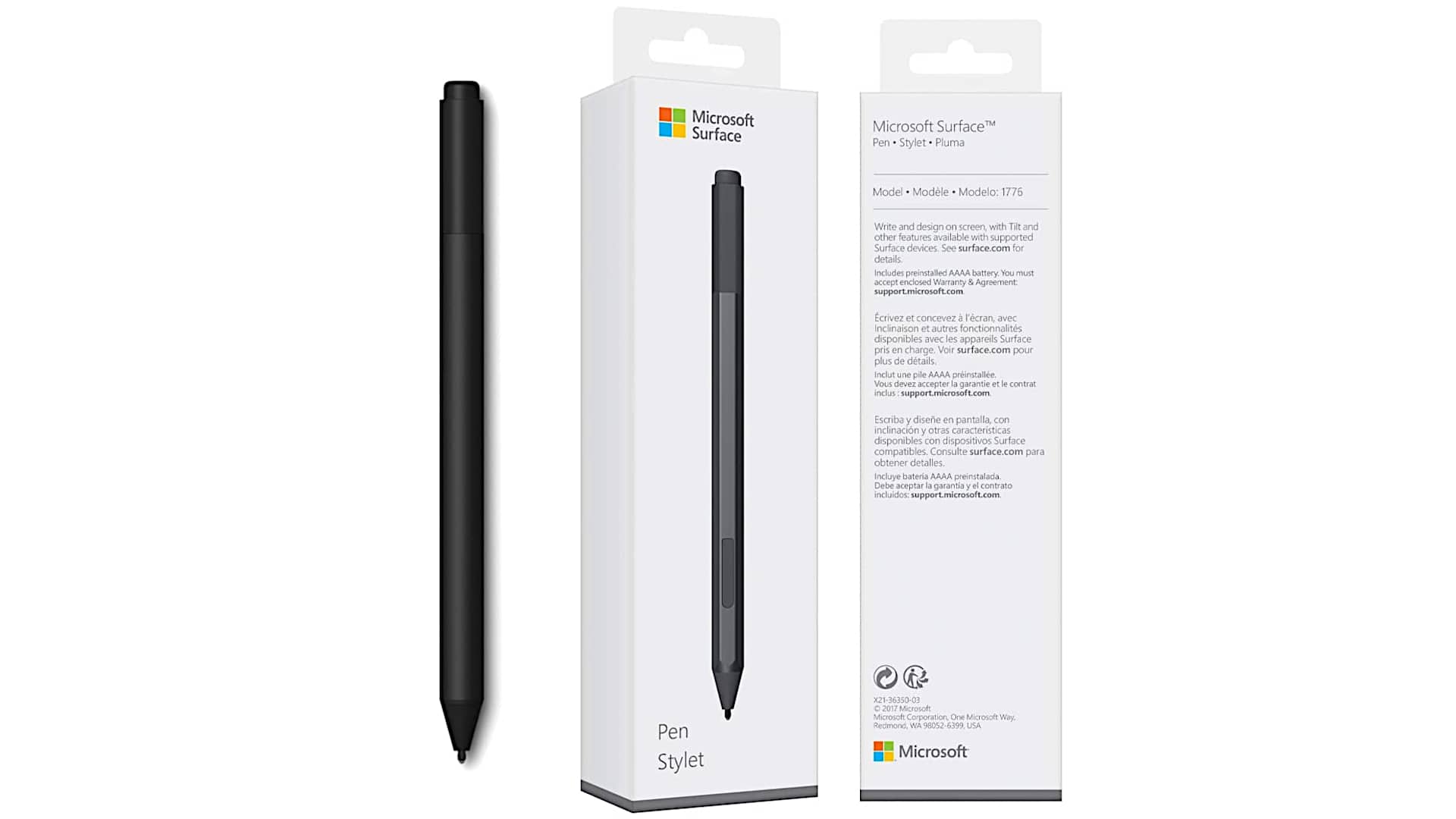
The Surface Book ships with an updated N-Trig pen featuring 1,024 levels of pressure sensitivity and a rubberized tip that provides more tactile feedback and dramatically less noise against the glass compared to older generations. Drawing feels noticeably more natural, and the eraser end is made from actual rubber, meaning it will not scratch the screen.
In Clip Studio Paint, the pen tracks quickly and handles smooth curves well. Some jitter appears when drawing very slowly, as is typical of digitizer implementations at this level, but at normal drawing speeds the performance is entirely acceptable. Pressure sensitivity felt genuinely responsive throughout testing.
In Autodesk SketchBook, which works natively with Windows Ink APIs, palm rejection functioned reliably once the pen cursor was detected. A remounted reversed configuration, with the tablet mounted backwards on the keyboard base, allows GPU-dependent drawing applications to benefit from the dedicated graphics while still using the pen.
In Corel Painter 2016 using Wintab drivers, oil brush simulations responded well and felt fluid. Larger brushes in airbrush mode introduced some rendering latency with a 385-pixel-wide brush, but switching to standard oil brushes at similar sizes worked smoothly.
The pen also pairs with the device for additional functionality. A quick press launches OneNote, a double press captures a screenshot, and a press-and-hold activates Cortana. An LED indicator confirms successful pairing.
Gaming Performance
Running Civilization V at 1920×1080 on medium quality settings provided a smooth and enjoyable experience. The game is not particularly demanding on the GPU, so the processor handles the simulation load adequately, though turn processing takes slightly longer than on a dedicated gaming machine.
Tomb Raider at 1920×1200 on low quality settings performed impressively, with the framerate counter regularly hitting 60 frames per second. The dedicated GPU gives the Surface Book a clear advantage in gaming scenarios over comparable ultrabooks relying solely on integrated graphics.
Thermal Management and Noise Levels
Microsoft’s custom cooling system performs admirably. Even during extended gaming sessions and video editing workloads, the fans remain relatively unobtrusive. The device does not reach uncomfortably hot temperatures during typical use, though extended gaming will warm the palm rest noticeably. The internal design makes extensive use of copper and heat pipes, and as a result the machine manages heat effectively for a device of its size and power class.
It is worth noting that the Surface Book is not designed to be upgraded after purchase. The level of integration inside the chassis would require specialized tools just to access the internals, so buyers should select their RAM and storage configuration carefully from the outset.
Comparing the Competition
Against the HP Spectre x360, the Surface Book commands a significant price premium. The Spectre x360 in a comparable Core i7 configuration costs around $1,149, lacks dedicated graphics, and offers a 360-degree hinge rather than a detachable tablet. It has more ports and is genuinely attractive hardware, and for those who do not need the dedicated GPU or the tablet separation, it remains excellent value.
Against the Surface Pro 4, the comparison is more nuanced. Computationally, a Surface Pro 4 without dedicated graphics is effectively identical. It starts cheaper, with the Core i5 model at $999 and the desirable Core i5 with 8GB RAM and 256GB SSD at $1,299. The Surface Book wins on screen size and total battery life, while the Surface Pro 4 wins on portability and price.
The VAIO Z Canvas occupies an interesting position. Its quad-core CPU runs approximately twice as fast as the Surface Book in computational tasks, and its Intel Iris Pro graphics are actually faster than the Surface Book’s dedicated GPU in some scenarios, though not by an enormous margin. Its color gamut extends to 95% of Adobe RGB, which is a significant advantage for professional print and video work. It starts at around $2,100.
Long Term Follow-Up: 2.5 Months Later
After extended use, the Surface Book tells a more settled story. The notorious early firmware and driver bugs that caused display driver crashes, GPU disconnect error messages, and slow login times have been largely addressed through Windows Update. Docking and undocking, which were unreliable at launch, now work consistently without requiring reboots.
That said, Microsoft Edge remains a problem. On certain enthusiast and technology-focused websites, using Edge can still trigger screen jitter or visual anomalies, particularly when scrolling with the trackpad or touch. Switching to Chrome or another browser resolves the issue entirely.
Battery drain during sleep is another intermittent issue tied to Intel’s Skylake connected standby implementation, affecting many Windows 10 laptops of this generation, not just the Surface Book. This appears to manifest roughly one in every ten sleep cycles and is being addressed by Intel and Microsoft jointly.
The hardware itself has proven durable. The magnesium casing resists easy scratching, the trackpad remains one of the finest on any Windows laptop, and the keyboard continues to feel excellent. Windows Hello facial recognition works reliably and makes password entry feel like a relic from another era.
Final Verdict
The Microsoft Surface Book occupies a unique position in the market. It is the only device that combines a genuinely capable dedicated GPU, a high-quality active pen, a large and well-calibrated 13.5-inch display, and a cleanly detachable 1.6-pound tablet section. For artists, designers, and creative professionals who want a single device that handles both intensive software workloads and freehand digital drawing, there is nothing else quite like it.
The price is steep, and early software instability tested the patience of first adopters. Several months after launch, the experience has improved substantially. For buyers willing to pay for its distinctive combination of features, the Surface Book remains one of the most interesting and capable machines of 2015, and holds its own well into 2016.
Microsoft Surface Book (2015)
-
Performance - 95%95%
-
Price - 94%94%
-
Value - 95%95%