
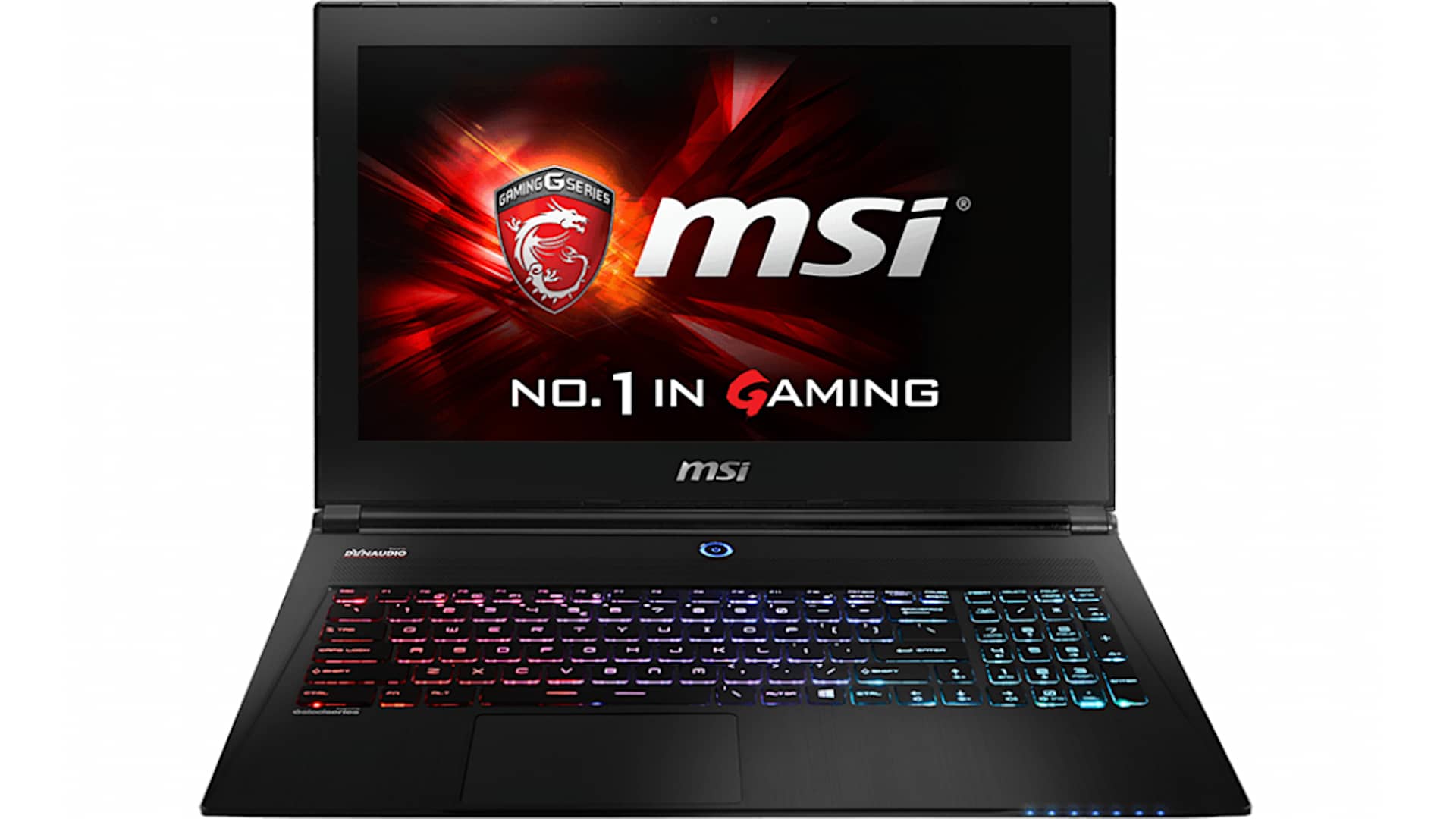
The MSI GS60 Ghost Pro is a rare kind of machine: a 15.6-inch gaming laptop that weighs just 4.2 pounds and measures a mere 0.78 inches thick, yet manages to house genuinely powerful hardware inside. Most slim gaming laptops are forced to make uncomfortable compromises, but the 2015 Ghost Pro breaks that pattern in a meaningful way. What makes this particular iteration so compelling is the presence of Nvidia’s GTX 970M Maxwell GPU with 6GB of GDDR5 VRAM, a significant generational leap that transforms the machine from a stylish but thermally troubled device into one of the most capable portable gaming rigs available.
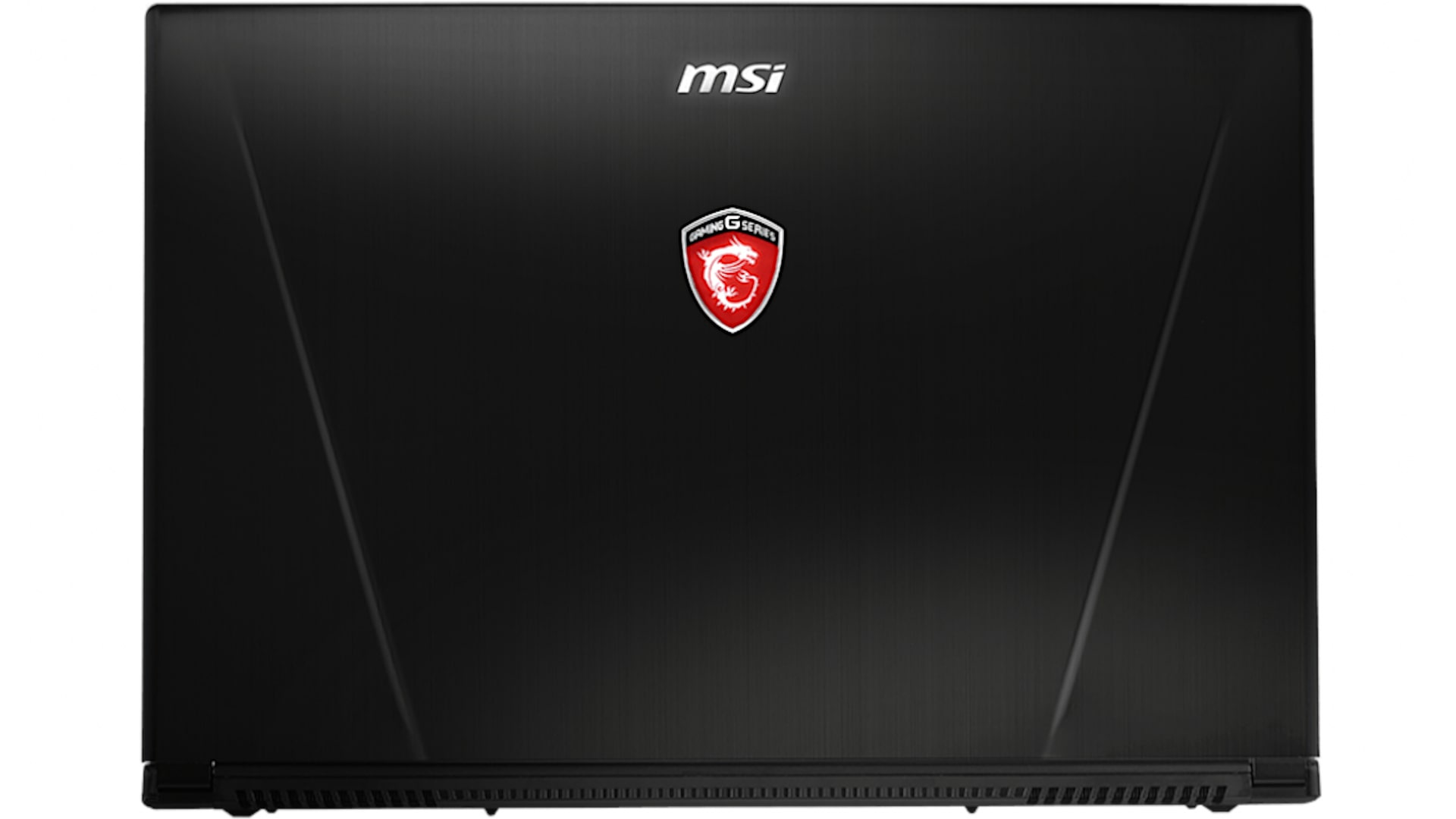
The GS60 Ghost Pro form factor has been around for several years, and the exterior has remained largely consistent throughout its evolution. This is not a criticism. The brushed black aluminum finish gives the machine a clean, understated appearance that distinguishes it from the blinking, RGB-drenched aesthetic of bulkier gaming laptops. An MSI logo and an illuminated red gaming dragon on the lid are the only decorative flourishes. There are no external LED strips, no cycling light shows, just a few discrete status indicators. It is a laptop you could carry into a professional environment without raising eyebrows.
The GTX 970M and Why It Changes Everything
Previous Ghost Pro models shipped with the GTX 860M on Kepler architecture and later the GTX 870M, which generated so much heat that fitting it into a chassis this thin created real problems. The 800-series GPUs were notorious for running hot, and thin machines like this bore the brunt of that.
The GTX 970M on Maxwell architecture changes the situation dramatically. Performance improvements of up to 40% over the previous generation have been observed in demanding titles, and the new GPU accomplishes this while running considerably cooler. This combination was not universally promised by Nvidia during the announcement cycle, making the real-world results even more impressive. The practical consequence is a machine that can sustain GPU loads without the uncomfortable surface temperatures and invasive fan noise that characterised its predecessors.
The long-term outlook is also encouraging. The GTX 970M provides enough performance headroom that the machine should remain capable of running newer titles at high settings for at least two years after purchase, a meaningful consideration when spending this much on a laptop.
Design, Build Quality, and Ventilation
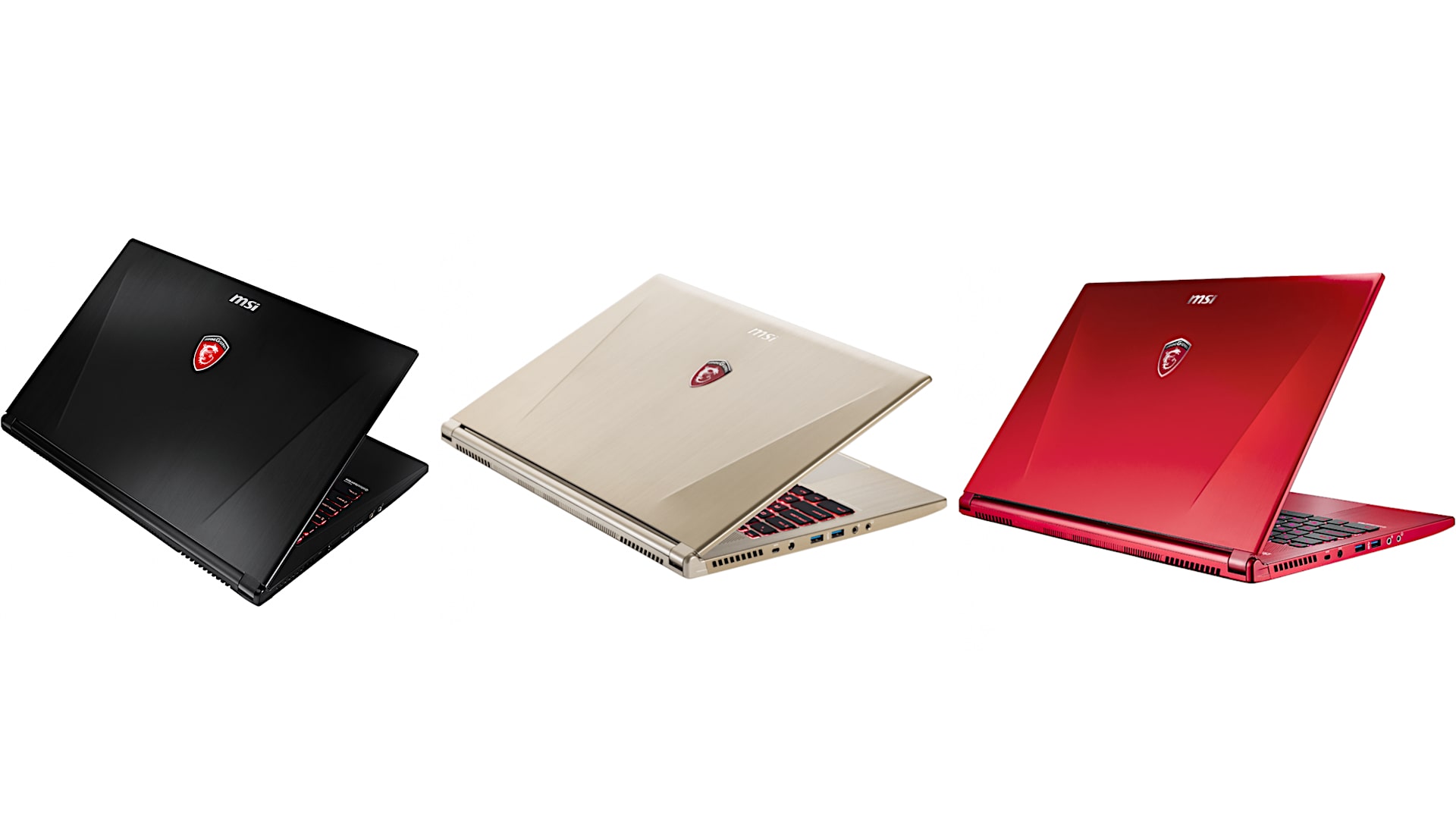
The exterior uses a thin layer of brushed aluminum atop a plastic structure, giving it a premium appearance without the full weight penalty of an all-metal construction. The design philosophy draws comparison to some Lenovo ThinkPad models in its restrained approach to decoration, and the result is genuinely attractive for a gaming machine.
Thermal management is a subject MSI has clearly taken seriously with this chassis. The quad-core Intel Core i7 4710HQ processor, running at 2.5GHz with turbo boost up to 3.5GHz, generates substantial heat alongside the GTX 970M. MSI addresses this with separate cooling systems for the CPU and GPU, each with its own fan, preventing the two heat sources from warming each other’s airflow. The exhaust routes heat out through the rear of the machine, which means neither the user’s hands nor nearby desk items encounter the expelled warm air during use.
Intake vents are positioned on both sides of the chassis and above the keyboard deck, allowing fresh air to enter from multiple angles. The underside features a suede-like material in key contact areas, which helps manage surface temperatures when the laptop rests on a desk or a lap during lighter workloads. During productivity tasks such as document editing or photo work, bottom surface temperatures stay near human body temperature, around 37 degrees Celsius. During gaming, the hottest points reach approximately 49 degrees Celsius, which is warm but not painful and represents a clear improvement over earlier Ghost Pro models.
All regulatory stickers are placed on the bottom panel, keeping the keyboard deck and lid clean. Standard rubber feet provide grip, and Phillips head screws secure the bottom cover for those wishing to access the internals. A tamper-evident sticker sits over one screw, consistent with MSI’s usual practice. Users in most major markets can open the machine without voiding the warranty, though any internally caused damage identified during a warranty service call may complicate claims.

Ports and Connectivity
Connectivity on the GS60 Ghost Pro is comprehensive for a machine of this size. Three USB 3.0 ports provide ample peripheral connections, split between both sides of the chassis. A full-size SD card slot, full-size HDMI, and a Mini DisplayPort offer flexible display output options, including multi-monitor configurations. Separate 3.5mm microphone and headphone jacks accommodate gaming headsets with split connectors. Built-in Gigabit Ethernet uses Killer E2200 hardware, which is well regarded for gaming network performance. Dual-band 802.11ac Wi-Fi handles wireless connectivity.
The power connector sits on the side, and the 150-watt Delta power brick, while not compact, is slimmer than the oversized adapters found on many competing gaming laptops. Battery charge levels do not drop during gameplay, confirming the power supply is adequately rated for sustained load.
Keyboard, Trackpad, and the SteelSeries Experience
The keyboard is a SteelSeries unit with zone-based RGB backlighting divided into three independently programmable sections. The tactile feel is excellent for both gaming and typing, with a satisfying response that holds up well against keyboards on much more expensive machines. The SteelSeries Engine software allows full customisation of lighting colours and macro assignments across each zone. A full numpad is included, which is uncommon on 15-inch laptops and appreciated by users who rely on numerical input.
MSI does make some unconventional layout decisions. The Windows key is moved to the right side of the keyboard, and the Delete key is repositioned in a way that takes some adjustment for users accustomed to conventional keyboard layouts. These choices have attracted criticism from users who find the departures from standard layout disruptive, and the criticism is understandable.
The trackpad is an Elan unit and is the weakest element of the machine. Single-finger tracking is acceptable, and diagonal movement performs reasonably well with current drivers installed, but multi-touch gestures are inconsistent. Click-and-drag using tap-and-hold is unreliable, occasionally causing unintended movement of interface elements. For gaming use, this is irrelevant since a mouse is invariably the better choice, but users who rely on the trackpad for everyday computing will notice the shortcomings. It is not the worst Windows trackpad available, but it does little to challenge the reputation Windows laptops have for mediocre trackpad experiences.
Display Options and Our Recommendation
MSI offers the GS60 Ghost Pro with a range of display options. The reviewed configuration includes a Samsung PLS panel at 1920×1080 resolution with a matte finish. This display covers 98% of the sRGB colour gamut, offers wide viewing angles, delivers 315 nits of brightness, and carries a 700:1 contrast ratio. For gaming, video editing, and general creative work at the 15.6-inch size, it is an excellent choice.
Higher resolution options are available, including a 2K panel, a 3K panel (which is glossy), and a 4K configuration. The 3K option adds roughly $50 to $100 to the price, while 4K adds $100 to $200. The argument for recommending the 1080p matte panel over the higher-resolution alternatives rests on a few practical considerations. At 15.6 inches, the perceptible difference between 1080p and 4K during gaming is minimal, particularly since many games do not handle high DPI scaling gracefully and require Windows scaling adjustments to remain usable. Higher resolutions also place greater demands on the GPU and reduce battery life, both of which are already constrained on a gaming laptop. The 1080p display represents the best balance of visual quality, performance, and battery efficiency for this machine.
System Configuration and Storage
The reviewed unit is the GS60 6QE-064, featuring the GTX 970M with 6GB of VRAM, which some may consider generous even for a 1080p display. The machine supports a range of configurations depending on buyer preferences and budget. Two RAM slots accommodate up to 16GB, and storage options include an M.2 SSD alongside either an mSATA SSD in a RAID configuration or a 1TB, 7,200RPM mechanical hard drive for bulk game storage. The hard drive option is particularly sensible given that modern game installations routinely exceed 40 to 50GB each.
A typical configuration with the 1080p display, 16GB of RAM, a 128GB SSD, and a 1TB hard drive is available for approximately $1,890. Configurations with 256GB or 512GB SSDs are available for those who prefer faster storage across the entire system.
Software and System Management
MSI’s software suite on the Ghost Pro is notably restrained compared to many gaming laptops that arrive bloated with unnecessary applications. The included utilities are genuinely functional. SteelSeries Engine handles keyboard customisation. Killer Network Manager provides prioritisation controls for both wired and wireless network traffic. Nvidia GeForce Experience handles driver updates and game optimisation suggestions. A shift mode system allows performance levels to be adjusted depending on the task at hand.
Green mode steps down both the CPU and GPU for email, web browsing, and general office work, which is appropriate given how much processing power the quad-core i7 provides even at reduced clock speeds. Comfort mode reduces GPU performance during gaming to lower heat and fan noise while keeping games playable, a useful option for older titles that do not require full GPU output. Sport mode runs everything at maximum speed and is the appropriate setting for demanding modern titles. High-performance mode within device settings maximises output even further for those who want every available frame.
Nvidia Optimus switchable graphics allow the machine to run on Intel HD 4600 integrated graphics during lighter tasks, preserving battery life. The power indicator on the keyboard changes colour to reflect whether integrated or dedicated graphics are active, a small but practical design detail.
Benchmark Results and Real-World Gaming Performance
Synthetic benchmark scores confirm what the GTX 970M promises on paper. Without any overclocking applied, 3DMark 11 returned a performance score of P9,112 and an extreme score of X3,224. Both results comfortably surpass what GTX 860M configurations typically produce on the same CPU platform, which tend to land around 5,000 in the performance test. PCMark 8 Home delivered a score of 3,929. Fire Strike at 1080p returned 6,508, a demanding result. Ice Storm Unlimited reached 129,133. These are numbers that validate the generational improvement Nvidia claimed.
In actual gaming, the Ghost Pro handles today’s most demanding titles at native 1080p with high and, in many cases, ultra settings. GPU temperatures during extended gameplay in Battlefield 4 stayed between 70 and 80 degrees Celsius, and CPU temperatures ranged from 60 to 70 degrees Celsius. Both are entirely safe operating ranges that will not accelerate hardware ageing. Thermal throttling was not observed even under sustained full GPU load, and battery charge levels held steady throughout.
Audio: Speakers and Fan Noise
The Ghost Pro uses MSI’s Dynaudio stereo speaker system with a dedicated subwoofer. The result is richer and fuller than expected from a slim gaming laptop. Bass is present and adds body to game audio and music playback without distortion. Volume is generous for the chassis size, and the sound remains clean at higher levels without the harshness or thinness that plagues many laptop speaker systems. For movie watching and game audio, the speakers provide a satisfying experience that compares favourably to larger MSI models and outperforms many 17-inch gaming laptops in overall sound quality.
Fan noise is tuned thoughtfully. During light tasks, the fans are nearly inaudible. During gaming, they become audible but not intrusive. Importantly, the tone is not the shrill, high-pitched whine that afflicts some slim machines, instead producing a lower, more manageable sound consistent with MSI’s larger desktop-replacement models. The noise level is noticeably less objectionable than competing machines such as the HP Omen 15.
Final Thoughts
The MSI GS60 Ghost Pro 2015 represents a landmark in what a slim gaming laptop can be. For the first time, the combination of Maxwell GPU architecture and a refined thermal design has produced a machine that is genuinely thin, genuinely light, and genuinely powerful, without the punishing heat and fan noise that made previous attempts at this form factor difficult to recommend.
At 4.2 pounds and under an inch thick, it travels easily and presents a professional appearance in any setting. The GTX 970M with 6GB of VRAM handles today’s most demanding games at high settings without thermal compromise, and the performance headroom suggests the machine will remain capable well into future game releases. The keyboard is outstanding, the display is excellent, and the software load is sensibly minimal.
The trackpad is the one area where the machine falls short of its overall quality level, and the relocated Windows and Delete keys require a period of adjustment. Battery life, at three to three and a half hours under productivity workloads and roughly an hour and 45 minutes during gaming, is typical for the category rather than exceptional.
For anyone seeking a slim, portable machine that can serve as both a capable work laptop and a high-performance gaming rig without compromise, the GS60 Ghost Pro 2015 is one of the best options the market has produced.
MSI GS60 Ghost Pro (2015)
-
Performance - 98%98%
-
Price - 96%96%
-
Value - 97%97%